
Agriculture & Horticulture
Agriculture & Horticulture, from workflow to modules.
Coordinate seasonal purchasing, inventory and dispatch across your operation.
A working starting point
Follow the work.
- 01Purchase
- 02Receive
- 03Track stock
- 04Dispatch
Seasonal stock breaks generic ERPs
Demand peaks twice a year, drops to a trickle in between. Standard reorder points say to hold safety stock year-round and tie up working capital, or to stock out at season start. Both wrong.
Rural delivery breaks international systems
Rural delivery numbers, farm gate names, paddock-level locations: global ERPs cannot validate these addresses. Orders sit in a "address verification failed" queue while the season passes.
Batch traceability for compliance is on paper
MPI audit asks for the batch trail on a product. The team spends three days assembling it from delivery dockets, spreadsheets, and supplier emails. Recall capability does not actually exist.
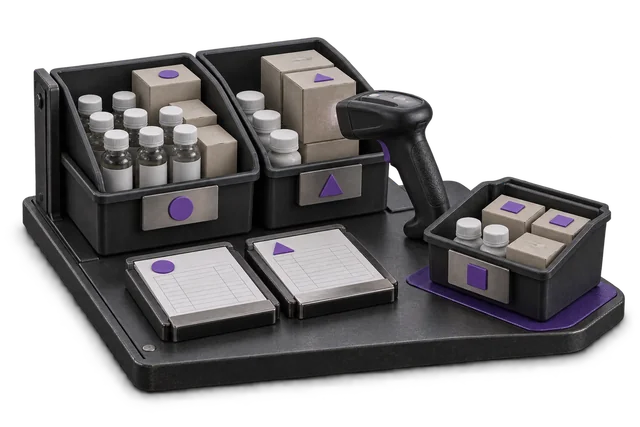

Inspect the product interface alongside the workflow. Confirm your own records and operating requirements during a review.
Modules and responsibilities
What each module contributes.
Keep the parts you need. These recommendations do not create a separate package or change the catalogue price.
| Module | Job it performs | Delivery status | Monthly price |
|---|---|---|---|
| Inventory Management | Track stock across bins and sites. | Catalogue module | NZ$399 |
| Order Management | Capture orders and track progress. | Catalogue module | NZ$399 |
| Shipping & outbound | Pack, label and dispatch orders. | Catalogue module | NZ$299 |
| Procurement | Manage purchases and supplier records. | Built on rollout | NZ$499 |
| Dashboards & Reporting | See live performance and build reports. | Catalogue module | NZ$399 |
NZ$1,995 / month module subtotal
Sum of the suggested module licences. User allowances, additional seats, connectors and rollout requirements must be considered separately. Existing starter-pack pricing may suit a different combination.
Check packages and configure pricingInventory Management owns batch / lot / expiry tracking; Procurement owns supplier replenishment and seasonal forecasting; Shipping owns NZ rural delivery via NZ Couriers and NZ Post. Bundle handles ag-specific patterns without a separate ag-vertical product.
Before you decide
Requirements to confirm.
- MPI export certification and specialist seasonal or packhouse workflows require separate evaluation. Confirm rural delivery and traceability requirements during scoping.
Questions about this workflow.
Can OpsUI handle seasonal demand forecasting?
Yes. The Analytics module surfaces seasonal patterns from historical sales data, and Procurement can drive supplier orders against forecast rather than against a static reorder point. The forecasting depth is honest mid-tier, not as deep as a dedicated S&OP platform, but well above static reorder-point logic.
Does OpsUI support rural delivery addresses?
Yes. NZ Couriers and NZ Post integrations handle rural delivery numbers, farm gate names, and the address conventions NZ rural addresses actually use. Address validation happens against the NZ Post / NZ Couriers address book, not against a global generic.
Can OpsUI handle MPI traceability requirements?
Bring your identification, handling and assurance requirements to the workflow review. We need to confirm the exact records, controls and reports with representative data before treating this as a fit. MPI export certification and specialist seasonal or packhouse workflows require separate evaluation. Confirm rural delivery and traceability requirements during scoping.
Do you integrate with supplier portals like Farmlands or RD1?
Supplier-portal integrations are scoped during rollout against your specific supplier relationships. The REST API and standard OpsUI integration patterns handle the common shapes; we will not pre-claim Farmlands / RD1 / PGG Wrightson on this page until they are wired against a specific customer.
Keep exploring.
Related operating models.
Your next step
Make this specific to your operation.
Walk through your current process, confirm the fit and scope the modules around the work you need to run.